
Beyond GPS: The Rise of Interference-Resistant Navigation Systems
3/14/20261 min read

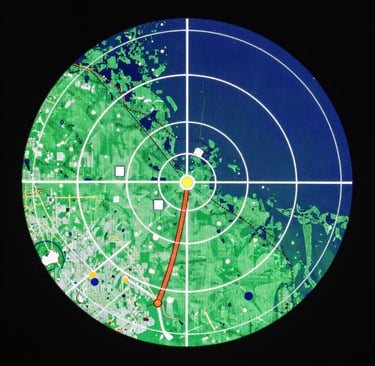
Introduction to Modern Navigation Systems
As we delve deeper into the intricacies of navigation technology, it becomes increasingly clear that traditional methods such as GPS alone are not sufficient to meet the demands of modern applications. The reliance on Global Positioning Systems (GPS) has highlighted significant vulnerabilities, primarily due to susceptibility to interference and jamming. This has paved the way for the development of interference-resistant navigation systems that promise more reliable positioning for a diverse range of industries.
Understanding the Risks of GPS Dependency
The widespread adoption of GPS technology has transformed navigation, allowing for precision and efficiency across various sectors, including transportation, aviation, and emergency services. However, this dependency comes with inherent risks. GPS signals can easily be disrupted due to atmospheric conditions, physical obstructions, and intentional jamming. These disruptions can lead to substantial economic and safety concerns, particularly in critical sectors where accurate navigation is paramount.
The Advent of Alternative Navigation Technologies
In response to the vulnerabilities associated with GPS, engineers and researchers are spearheading the development of alternative navigation technologies that are inherently more resistant to interference. Technologies such as Inertial Navigation Systems (INS) and various forms of terrestrial and celestial navigation have gained prominence. INS, for instance, operates autonomously and can provide continuous navigation information even in environments where GPS signals are compromised.
Additionally, advancements in satellite communication combined with the principles of signal processing have led to the emergence of enhanced navigation systems that are designed to mitigate interference. Techniques such as multi-frequency and multi-constellation GNSS (Global Navigation Satellite Systems) are being adopted to improve overall robustness, thereby ensuring uninterrupted service.
Conclusion: A Future of Robust Navigation
The future of navigation points towards a comprehensive approach that combines various technologies to achieve the highest levels of reliability and accuracy. The rise of interference-resistant systems marks a pivotal shift in how we understand and implement navigation solutions. As industries continue to evolve, the demand for resilient navigation technologies will only intensify, driving further innovation and integration of advanced systems capable of thriving in increasingly challenging environments.
DIFEN CONSULTING
Contact
Newsletter
info@difenconsulting.com
© 2026. All rights reserved.