
Beyond Fixed-Wing: The Rising Demand for Tactical RUAS in Maritime Surveillance
3/16/20262 min read
Introduction to Tactical RUAS
In recent years, the evolution of unmanned aerial systems (UAS) has revolutionized maritime surveillance operations. While fixed-wing drones have long been the go-to technology for naval and border security missions, there is a burgeoning demand for tactical rotary-wing unmanned aircraft systems (RUAS). These tactical RUAS, particularly those developed by companies like Steadicopter, offer significant operational advantages that are reshaping how maritime missions are conducted.
Comparative Advantages of Tactical RUAS
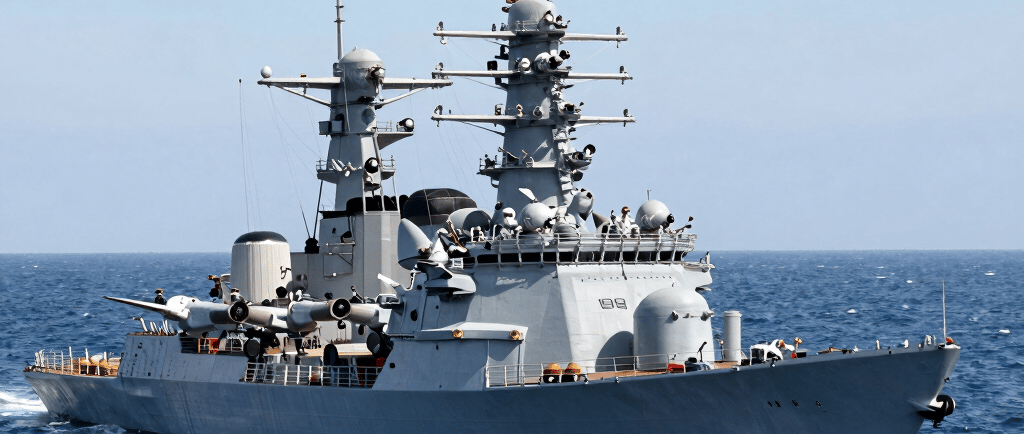
Tactical RUAS brings forth several benefits that make them preferable over fixed-wing drones in certain scenarios. One of the most notable advantages is their ability to operate from small ship decks, which significantly enhances their versatility and deployment capabilities. Unlike fixed-wing drones that necessitate runways for launch and landing, rotary-wing systems can take off and land vertically. This is a critical feature for naval operations, where space is limited and conditions can often be challenging.
The agility of tactical RUAS allows for precise hovering capabilities over target areas, making them exceptionally effective for surveillance. In contrast, fixed-wing drones typically require forward motion to maintain stability, which can hinder their ability to conduct focused observation tasks. The hovering capability of unmanned helicopters enables operators to gather detailed intelligence and monitor activities in real-time, vital for border security operations.
Operational Versatility and Cost-Effectiveness
Besides operational capabilities, tactical RUAS often demonstrate a higher level of versatility in their applications. They can be equipped with various sensors and payloads tailored for specific missions, whether it be reconnaissance, surveillance, or even cargo transport. This adaptability means they can seamlessly transition between different tasks, enhancing overall mission efficiency. Moreover, the advanced technology seen in systems like those developed by Steadicopter allows for highly customizable configurations, further aligning with mission-specific requirements.
From a cost perspective, tactical RUAS can be more economical to operate, as they eliminate the need for extensive infrastructure such as runways and launch facilities. Their capability to deploy from smaller vessels makes them an attractive option for fleet operators seeking to maximize their resources. As global maritime threats evolve, having an adaptable and cost-effective surveillance solution is not just desirable, it's essential for maintaining security.
Conclusion
The rising demand for tactical RUAS like those created by Steadicopter represents a significant shift in the maritime surveillance landscape. As operational needs become more diverse and complex, the advantages that tactical RUAS provide over traditional fixed-wing drones are becoming increasingly evident. With their ability to operate from compact platforms, hover over specific areas, and offer versatile functionalities, tactical RUAS are poised to redefine capabilities in naval and border security missions. As this technology continues to develop, it will undoubtedly play a pivotal role in shaping the future of maritime operations.
DIFEN CONSULTING
Contact
Newsletter
info@difenconsulting.com
© 2026. All rights reserved.